I got here by fixing what wasn't working.
My path into digital systems didn't start in a design school. It started in a Long Island tax office, watching a $500K-a-year business run entirely on paper, cash, and good intentions.
I'd just come out of an M.S. in Taxation and a stint at Grant Thornton, a top-10 global accounting firm, when I found myself in that office, rebuilding a private tax practice from scratch. The tax background shaped how I approach design: I don't design things that look good. I design things that work.
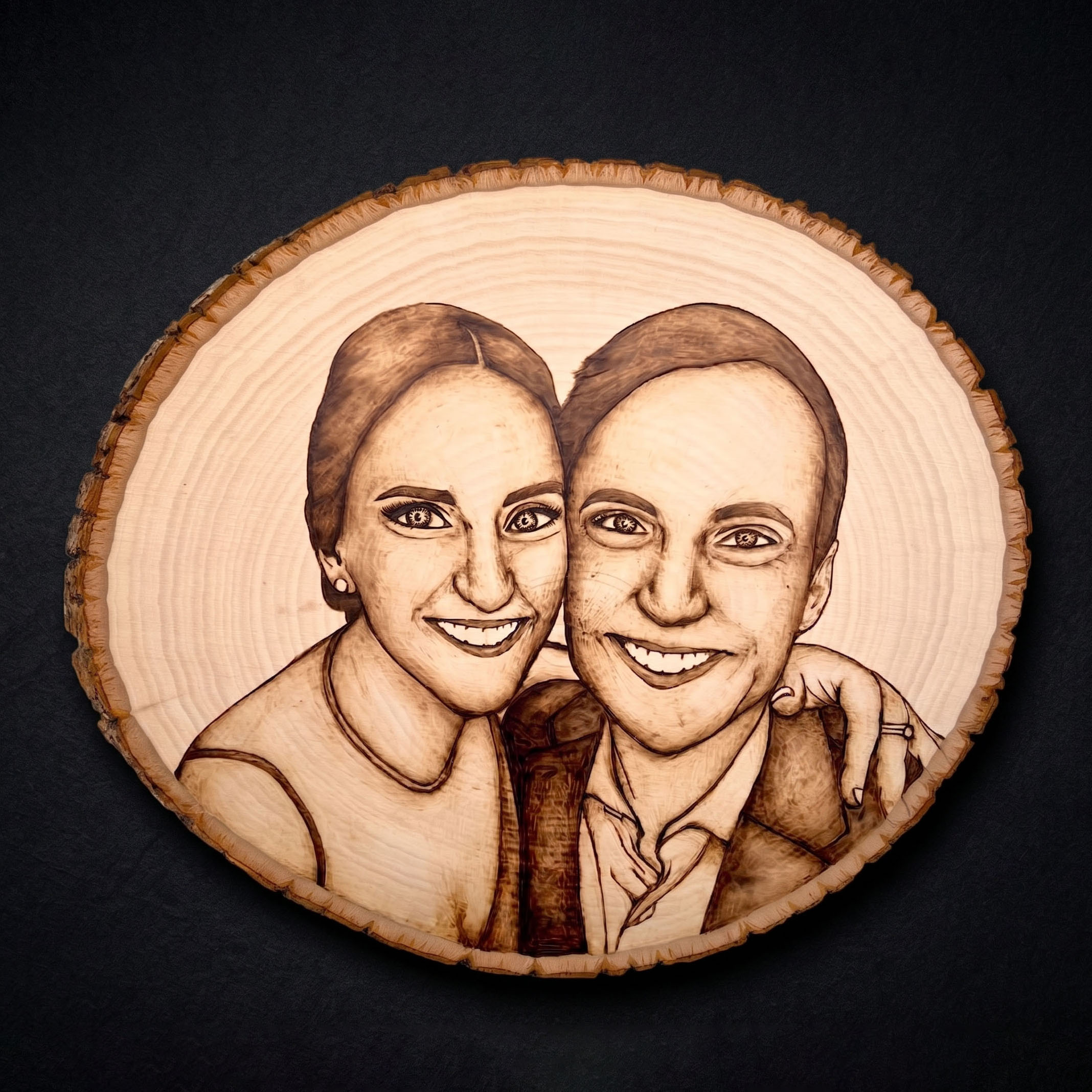
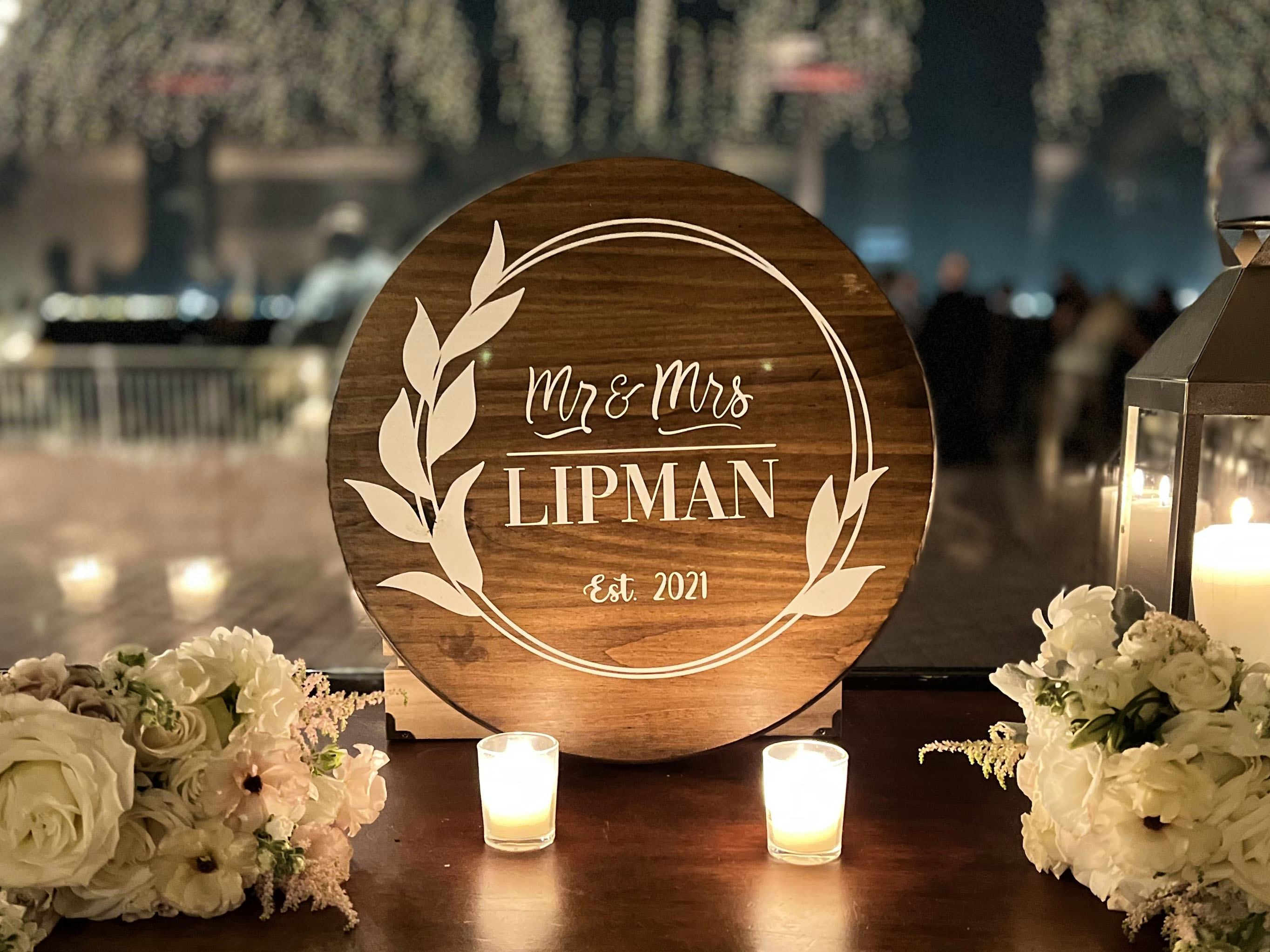
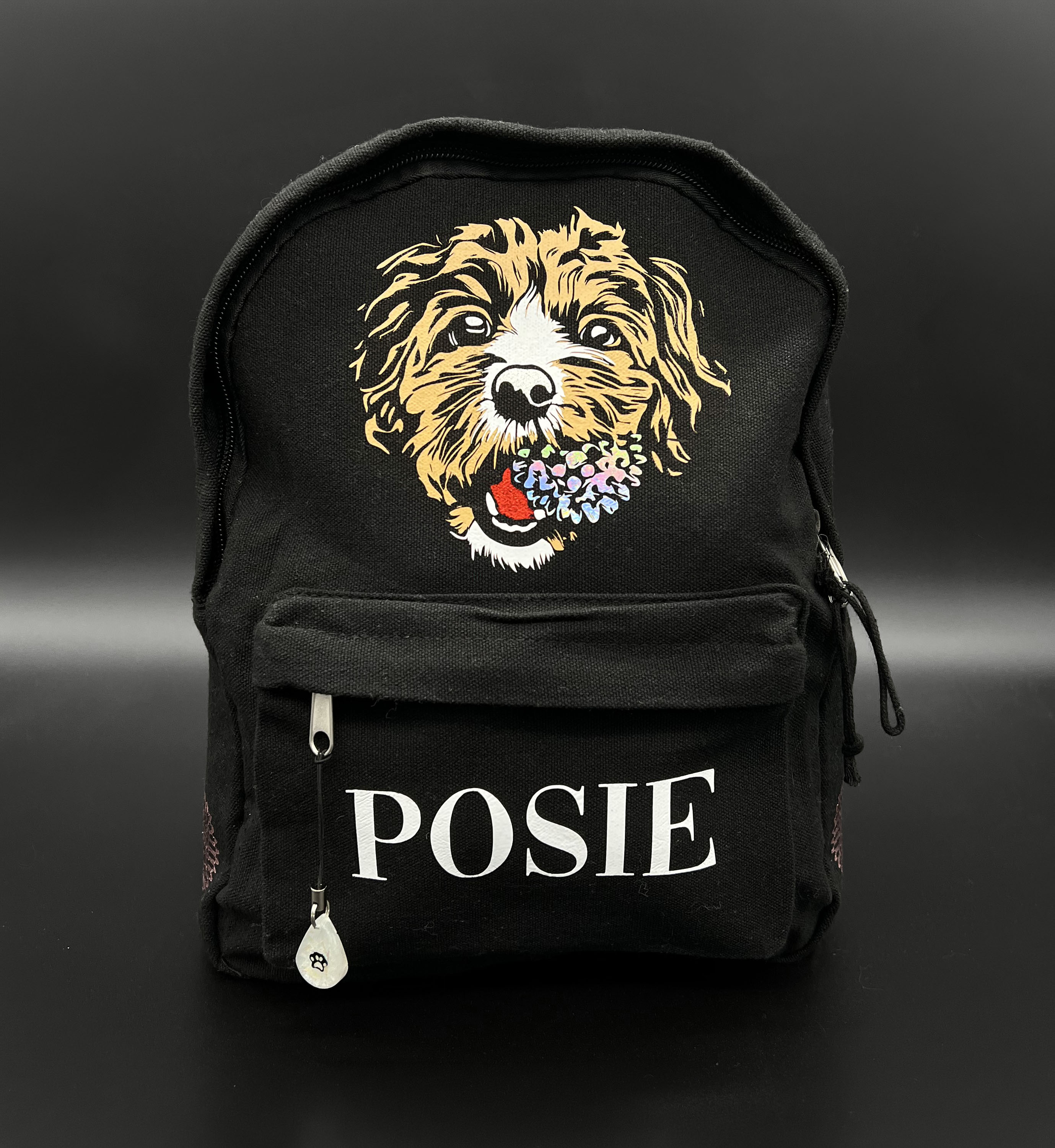
The instinct to build wasn't new. From age 12 I ran a YouTube channel through the early creator economy: hundreds of thousands of subscribers, millions of views, branded partnerships with major networks while I was still in middle school. Later, from a workshop in Long Island City, I built Mac LIC, a custom-gifting brand cutting and engraving physical objects to order. I ran a print-on-demand operation across multiple storefronts that processed 800+ orders internationally. Each one was the same lesson in a different costume: the operation is the product.
@dogsofnewyork.city was the cleanest version of that lesson. 91 styled portraits, every dog I walked in Manhattan, the same hand-lettered name/age/weight overlay on every frame. The discipline was the template, applied 91 times. A brand is legible because it repeats.
When I rebuilt that tax practice with digital intake, online payments, a client portal, and automated workflows, something clicked.
"Every screen had to earn its place by reducing friction or eliminating a manual step. That constraint made the work better."
The design decisions weren't aesthetic. They were operational. Since then I've applied that same framework to e-commerce brands, service businesses, and solo operators across the country.
I'm based in New York City and work remotely nationwide. I don't subcontract. I don't hand off. I don't disappear after kickoff. I get in, understand your operation, and build something that actually runs.